More-than-human Interactive Space
At the intersection of biology, design and science
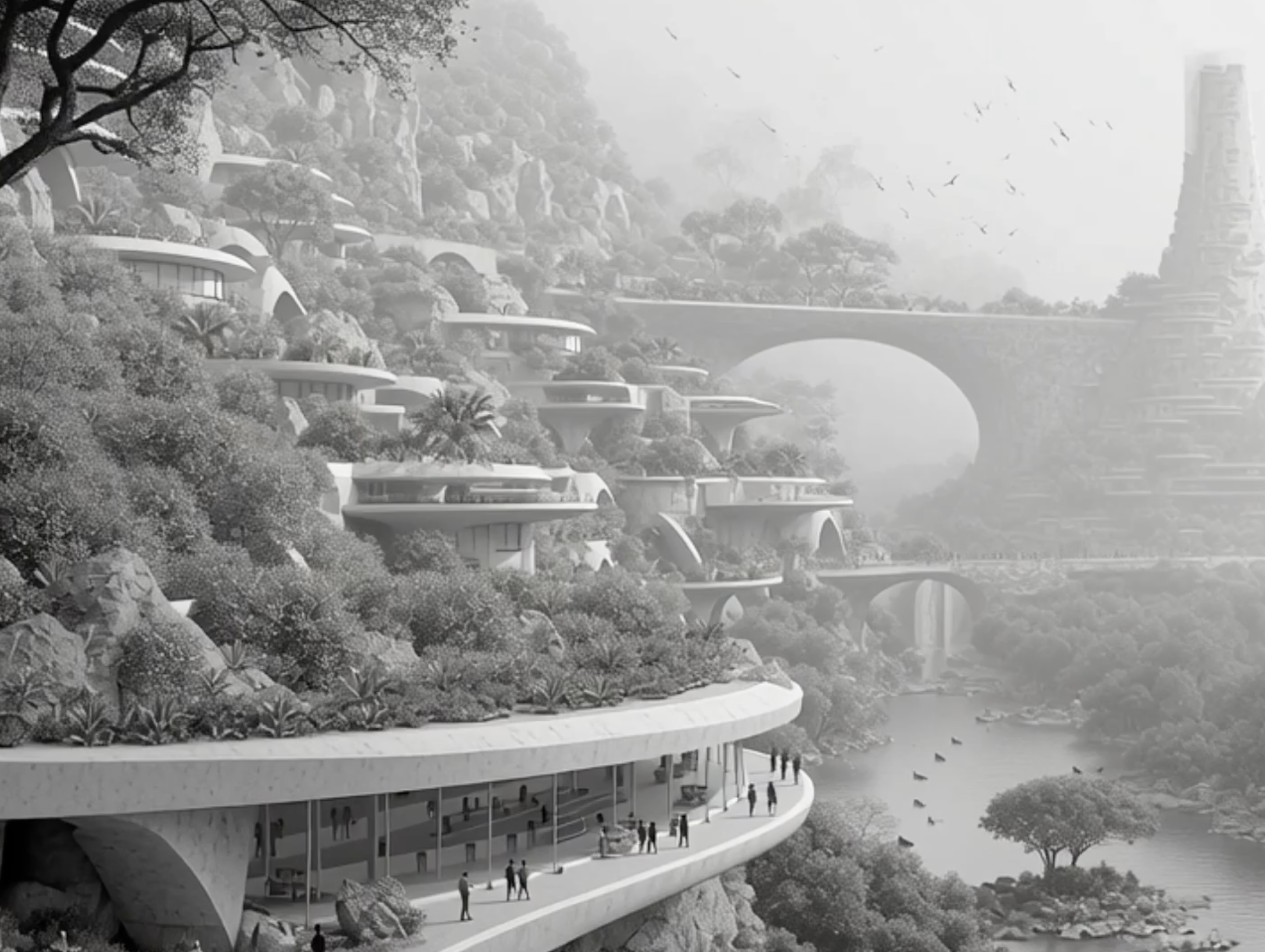
Architecture becomes a living system interacting with its biological environment. The research is organized into complementary lines that explore different scales of this relationship — between material ecosystems and their bio-habitats.
These research branches run in parallel with teaching and outreach activities, feeding into one another: research informs teaching, and teaching tests new ideas before they move into built practice.Biomaterial Architecture
Earth and bio-based decarbonized construction Research into biodegradable, circular composites of earth-based elements and biomaterials — timber and plant fibers developing building systems that reduce the carbon footprint.
Research into interactive and digital media as tools for exploring relationships between humans, other species, and their environments. This line investigates responsive interfaces, sensing technologies, and experimental media as ways of translating multispecies interactions into spatial and perceptual experiences.
→ WIRKRAUM · The Space That Remembers
Multispecies Biohabitats
Research into the design of built environments that actively integrate other species rather than displace them. This line investigates design strategies that support urban and peri-urban biodiversity — from microfauna to vegetation — treating the building as part of a wider ecosystem.
The project explores how humans — and other species — perceive, use, and relate to spaces. It combines participatory design methodologies with digital tools to understand interaction as part of the creative process.
Research & Publications
ORCID
0000-0003-1801-6863
PhD. Thesis
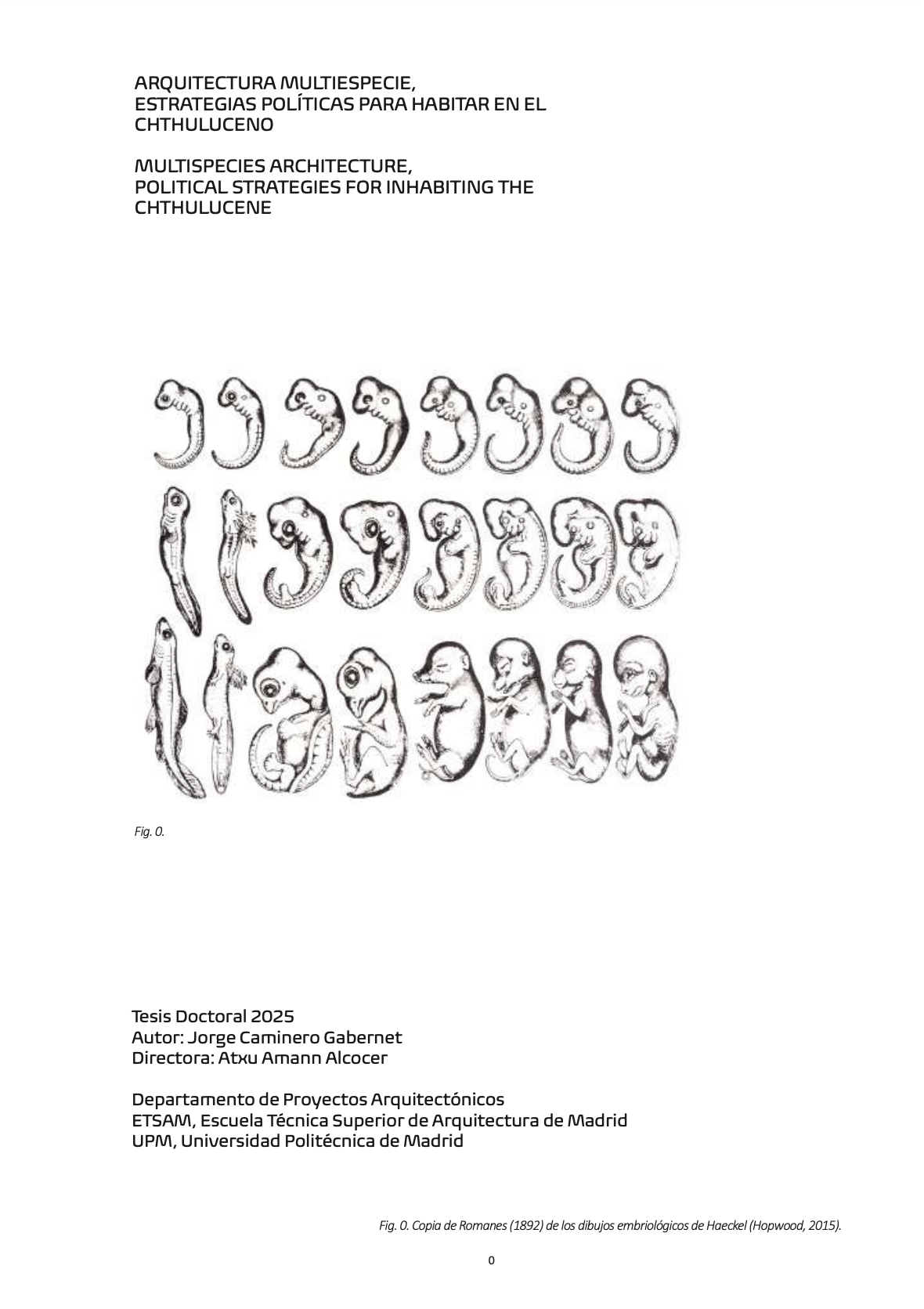
Multiespecies Architecture, Political Strategies for Inhabiting the Chthulucene
![[i2] article](assets/images/research-img/Research & Publications/I2-ARTICLE.png)